




BCCI Push for FTP Gaps Gets Dubai Dates

International cricket has a scheduling problem, and the BCCI wants the next FTP to address it.
India will send its operations team to Dubai later this month for a workshop involving boards from around the world. The focus will be the 2027-31 international calendar, with the BCCI specifically seeking gaps that allow players to rest and prepare properly before major overseas assignments. Representatives of the top eight Associate nations have also been invited.
BCCI's Message: There Is Too Much Cricket
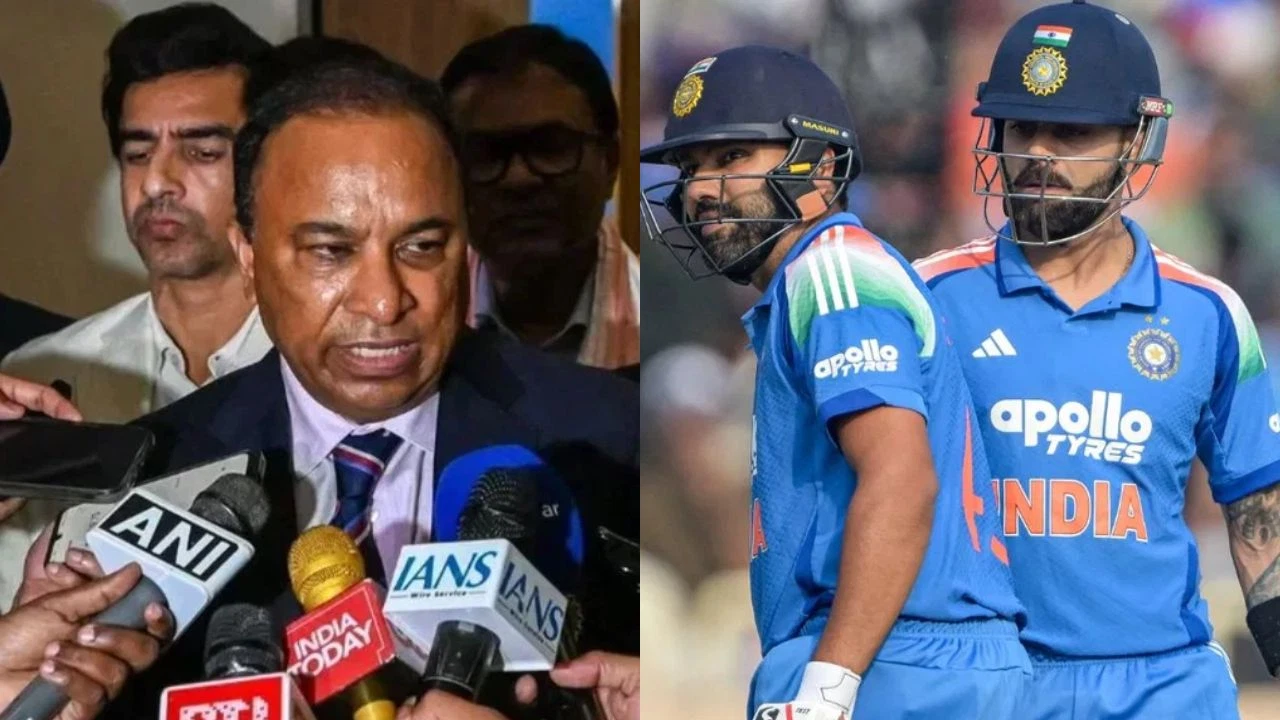
BCCI secretary Devajit Saikia identified the fundamental issue after a review meeting of the Indian team: the calendar is becoming overcrowded.
“The challenge we are facing is that there are too many matches in the year.”
— Devajit Saikia
That concern goes beyond simple workload management. India want the next FTP structured so players are not flying into major overseas Test series without sufficient preparation.
SENA Preparation Is a Major Priority
The BCCI particularly wants preparation time before tours of South Africa, England, New Zealand and Australia.
The board's preference is for gaps that allow rest plus acclimatisation or practice matches before major series.
“Our FTP should be scheduled in such a way that there is proper rest for the players.”
— Devajit Saikia
For India, this could mean the return of meaningful warm-up cricket before marquee overseas Tests rather than arriving and moving almost immediately into international action.
But Finding Those Gaps Will Be Difficult
The problem is that much of the next cycle is already crowded.
India are scheduled to host England for five Tests in early 2028 before travelling to Australia later that year. India are tentatively due in England again in 2029, while Australia are expected to tour India in 2031.
Then come the ICC tournaments:
- 2028: T20 World Cup — Australia and New Zealand
- 2029: Champions Trophy — India
- 2030: T20 World Cup — England, Scotland and Ireland
- 2031: ODI World Cup — India and Bangladesh
World Test Championship commitments will add another layer, potentially including Indian tours of South Africa and West Indies and home assignments against Sri Lanka and another opponent.
In other words, everyone wants more space — but very little space actually exists.
Could Tri-Series Make a Comeback?
This is where the story becomes particularly interesting.
According to Cricbuzz, there is a growing view among cricket boards that bilateral series are losing some of their appeal and becoming less financially attractive. Multilateral tournaments could potentially generate stronger commercial returns.
That could create an opening for the return of tri-series and quadrangular tournaments.
These events were once a major part of international cricket but have largely disappeared as bilateral cricket and global tournaments filled the calendar.
ODI Tri-Series Have Almost Vanished
The numbers show just how dramatic the decline has been.
There has been only one ODI tri-series since the 2019 World Cup — involving New Zealand, South Africa and Pakistan ahead of the 2025 Champions Trophy. A T20I tri-series involving Namibia, South Africa and Zimbabwe is currently being played, but such events remain rare.
India's most recent tri-series appearance came in the 2018 Nidahas Trophy, where Dinesh Karthik famously hit a last-ball six against Bangladesh in the final.
India Have Barely Touched the Format
Since the 2011 World Cup, India have played only four such tournaments: ODI tri-series in Australia in 2011-12, West Indies in 2013 and Australia in 2014-15, followed by the T20I Nidahas Trophy in 2018.
Even more strikingly, the BCCI has not hosted a traditional multilateral tournament of this kind since the 2003-04 TVS Cup, involving Australia and New Zealand.
The Money Question
Bringing these tournaments back is not straightforward.
A multilateral competition hosted in India would inevitably include matches not featuring India, and those games may carry significantly lower commercial value. The economics of broadcasting and media rights therefore become central to whether such tournaments can genuinely replace bilateral cricket.
So while boards may like the idea of more multilateral cricket, someone still has to make the numbers work.
Interesting Angle for Sportish
The biggest angle here is not simply BCCI asking for rest days.
It is that international cricket may be approaching a broader scheduling rethink.
Boards need bilateral cricket for revenue, ICC tournaments consume large portions of the calendar, franchise leagues are expanding, and players need genuine recovery periods. At the same time, some bilateral series are becoming harder to sell commercially.
That creates an intriguing possibility: fewer ordinary bilateral matches, better-prepared marquee Test series, and more compact multilateral tournaments.
If that thinking gains support in Dubai, the 2027-31 FTP could look noticeably different from the international calendar fans have become used to.
Key Takeaway
The BCCI will take its scheduling concerns to the September 22-23 FTP workshop in Dubai, pushing for greater player rest and acclimatisation time before major SENA assignments. But fitting those gaps around WTC commitments, bilateral tours and four major ICC tournaments between 2028 and 2031 will be difficult. Meanwhile, growing concerns over the commercial appeal of bilateral cricket could potentially bring tri-series and multilateral tournaments back into the conversation.
Too much cricket, not enough preparation? 🏏
The BCCI wants the 2027-31 FTP to include proper rest and acclimatisation before major SENA tours — and international cricket could even see more tri-series and multilateral tournaments return.
The big scheduling talks begin in Dubai on September 22-23.
#BCCI #TeamIndia #ICC #FTP #IndianCricket #TestCricket #CricketNews #Sportish